
Fẹ́mi Akínṣọlá
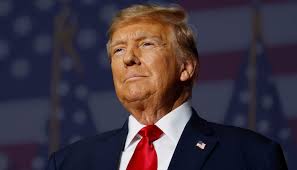
The recent announcement by President Donald Trump about a $5.1 billion health deal with Nigeria has raised a lot of discussion and concern. This agreement focuses on Christian faith-based healthcare and brings up important questions about how foreign aid affects Nigeria. While this money could help improve the health system, it’s essential to think about what this deal might mean for the Nigerian government and its people.
One immediate concern is the risk of increased religious tensions. By focusing the health initiative on Christian providers, other religious groups may feel left out. Nigeria is home to many different religious communities, and any hint of favouritism could worsen existing divides. This could lead to resentment among non-Christian groups and create conflicts that threaten Nigeria’s hard-earned peace. As noted by Dr. Amina Ibrahim, a sociologist at the University of Lagos, “Highlighting one religious group can alienate others, leading to increased tension in an already diverse society.”
The Nigerian government may also face political challenges due to this agreement. People within the government and the public may pressure leaders to respond to fears about foreign interference. Many citizens may question whether such deals truly serve Nigeria’s interests or simply another nation’s agenda. This could lead to a loss of public trust in the government, especially if people feel their leaders are prioritising foreign ties over local needs. Political analyst Chidi Okafor suggests that “the balance between international cooperation and national interest is delicate; missteps can erode public confidence.”
Despite the potential for better healthcare access, a strong focus on faith-based providers could hurt the overall health system. Nigeria faces many health challenges that require a broad approach. If faith-based organisations dominate the landscape, essential services may be neglected, particularly in areas where secular healthcare is needed most. Moreover, the public’s perception of the government may be affected. If citizens believe their leaders are too closely tied to foreign powers, particularly in sensitive areas like health and religion, they might begin to lose confidence. A government seen as being too influenced by outsiders may struggle to maintain its legitimacy in the eyes of the people.
The agreement could also have diplomatic repercussions for Nigeria. Increased ties with the United States may lead to benefits, but it can also create complications with other nations. Countries that feel overlooked may respond unfavourably, making Nigeria’s position in the world more challenging. Additionally, nations with large Muslim populations may view the preferential treatment of Christian healthcare providers as a slight, compromising Nigeria’s role as a mediator in complex regional issues.
The issue of dependency on foreign aid is another major concern. Relying too heavily on external funding could weaken Nigeria’s efforts to become self-sufficient. If the government becomes too dependent on foreign assistance, it risks becoming beholden to outside interests. To prevent this, Nigeria should focus on sustainable funding models that enhance domestic revenue generation.
To achieve a balance between foreign aid and self-sufficiency, Nigeria can implement several strategies. First, tax reform can help improve the collection process and expand the tax base, ensuring both companies and individuals contribute fairly. An increase in value-added tax (VAT) could also be considered, but it is crucial to protect low-income households. Additionally, encouraging public-private partnerships can attract investments in essential services, leveraging the efficiency and innovation of the private sector.
Moreover, effective management of Nigeria’s resources, especially in oil and gas, can provide a much-needed revenue boost. Addressing corruption and reinvesting profits into public health can make a significant difference. Investing in agriculture can create jobs and stimulate economic growth. Similarly, promoting tourism can attract both local and international visitors, generating additional revenue.
Balancing foreign aid with self-sufficiency also involves diversifying the economy. Nigeria should invest in sectors such as technology, manufacturing, and services to reduce its reliance on oil revenue. Encouraging entrepreneurship and supporting small and medium-sized enterprises (SMEs) can foster local innovation and economic resilience. Moreover, developing local capacities in healthcare delivery can reduce dependence on foreign specialists and resources, ultimately empowering local communities.
Furthermore, to ensure that all communities benefit from health funding, Nigeria should adopt alternative frameworks for equitable distribution. A needs-based funding model could allocate resources according to the health challenges different regions face. This strategy would prioritise areas in the greatest need. Involving local communities in planning decisions can also create a sense of ownership and accountability, making sure resources are used effectively.
While there are concerns about focusing on faith-based providers, it is also worth considering their potential benefits. Faith-based healthcare organisations often have deep community ties and can mobilise local support and resources effectively. They frequently fill gaps in the health system, particularly in underserved areas. Dr. Mary Adeyemi, a public health expert, notes, “Faith-based organisations can respond quickly to health crises and often provide compassionate care where government services may be lacking.”
In conclusion, while Donald Trump’s health deal offers a considerable investment in Nigeria’s healthcare system, the implications are complex. The Nigerian government must navigate potential religious tensions, concerns about public perception, and the risk of dependency with care. By focusing on sustainable funding models and equitable distribution methods, Nigeria can make the most of external support while serving the needs of all its people. It is crucial that the government keeps an inclusive approach to ensure that everyone benefits from improved healthcare, maintaining national unity and sovereignty in the process. Balancing foreign aid with self-sufficiency will be essential for Nigeria’s long-term growth and stability.
Copyright © 2025 Fẹ́mi Akínṣọlá. No part of this publication may be reproduced, distributed, or transmitted in any form or by any means, including photocopying, recording, or other electronic or mechanical methods, without the prior written permission of the author.