

Dare Babalola
The Lagos State Traffic Management Authority (LASTMA) has called for enhanced collaboration with media organisations while cautioning against the spread of defamatory and unverified reports capable of undermining public trust in government institutions.
This position was contained in a press statement issued on Sunday by Adebayo Taofiq, Director of the Public Affairs and Enlightenment Department of the agency.
The statement followed the outcome of an investigative panel set up to probe allegations published by an online platform accusing LASTMA officials of extorting ₦100,000 from commercial bus operators along the Coastal Road corridor.
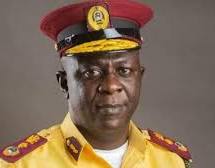
According to the General Manager of LASTMA, Olalekan Bakare-Oki, the panel’s findings cleared the agency’s operatives of any wrongdoing, establishing that the vehicles involved were apprehended for traffic violations.
“The panel’s findings unequivocally established that the vehicles in question were apprehended for wilful obstruction, in contravention of extant traffic regulations. All penalties imposed were legitimately remitted into government coffers, with incontrovertible evidence of payment tendered by the affected drivers during their appearances before the panel,” Bakare-Oki stated.
He added that the findings effectively debunked claims of extortion, reiterating that the enforcement actions taken by LASTMA officials were in line with existing traffic laws.
While reaffirming the agency’s commitment to transparency and accountability, Bakare-Oki underscored the critical role of the media in promoting public enlightenment, traffic discipline, and civic responsibility.
He described the press as an indispensable institution in shaping informed public discourse and sustaining democratic values.
However, the LASTMA boss stressed that the media must exercise professionalism, accuracy, and strict adherence to ethical standards in its reportage. He warned that the dissemination of unverified claims and sensational narratives poses a serious threat to institutional credibility and public confidence.
The agency therefore urged media organisations to prioritise fact-checking and due diligence before publication to prevent the spread of misleading information.
Reaffirming its openness to engagement, LASTMA noted that it remains accessible through its official communication channels for prompt verification and clarification of issues.
The agency also highlighted its toll-free hotline and dedicated Physical Complaints Unit as avenues for members of the public to lodge complaints and verify incidents.
The authority further called on media stakeholders to uphold the core values of journalism—accuracy, balance, and responsibility—in order to safeguard the information space and preserve societal trust.