
Dare Babalola
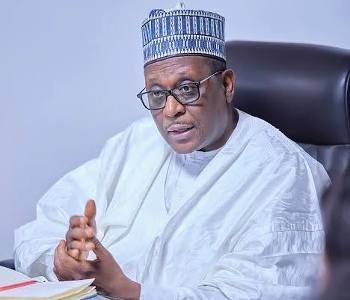
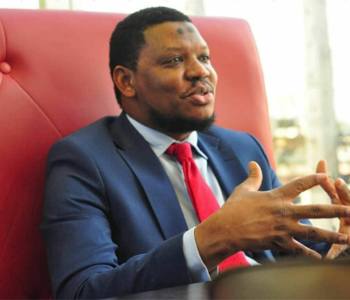
Former presidential aspirant, Adamu Garba, has criticised the reported “Operation Hormuz Freedom,” describing it as a failed strategy that exposed growing mistrust and political divisions in the Gulf region.
Garba, in a statement posted on X on Wednesday, claimed the operation, reportedly launched by the United States President, Donald Trump, was abandoned within hours after failing to achieve its objectives.
According to him, the plan was designed to target oil facilities in the United Arab Emirates, blame Iran for the attack, and mobilise Gulf states into a United States-Israel alliance aimed at reigniting regional hostilities.
“Barely twelve hours after launching ‘Operation Hormuz Freedom,’ President Trump abruptly withdrew, calling the mission pragmatic and successful. Yet the reality is stark: the operation failed to achieve any of its intended objectives,” he wrote.
Garba alleged that the UAE was selected because of its close relationship with Washington and Tel Aviv, with expectations that an attack on Emirati territory would unite neighbouring states against Iran.
He, however, claimed the move backfired as several regional governments reportedly rejected the narrative.
“Within minutes of the strikes, regional actors recognized the attack as self-inflicted, a manufactured crisis designed to frame Iran. Tehran denied involvement, and crucially, Saudi Arabia, Qatar, Kuwait, and even Sharjah within the UAE itself refused to endorse Washington’s narrative,” he said.
Garba added that the collapse of support allegedly forced an abrupt end to the operation, which he described as a diplomatic setback for the UAE leadership under Crown Prince Mohammed bin Zayed.
“What was intended as a show of strength became a humiliating retreat. The UAE, under Crown Prince Mohammed bin Zayed, now finds itself boxed into a corner,” he stated.
He further claimed the development could have wider economic consequences for the UAE, warning that damage to critical infrastructure and investor uncertainty may threaten the country’s business-driven model.
“The country’s economic model, built on stability and global connectivity, is unraveling,” Garba wrote.
The former presidential aspirant also linked the situation to what he called previous Emirati policy miscalculations in parts of Africa, including Sudan, Somalia and Ethiopia, alleging that such interventions had contributed to instability.
He said Gulf states were increasingly reluctant to be drawn into further confrontations.
“The Gulf states, wary of being dragged into another manufactured confrontation, are distancing themselves. The UAE has bitten off more than it can chew,” he added.
Garba also claimed domestic political pressures in Washington and Tel Aviv may limit support for the UAE, leaving the country isolated.
He concluded that lasting peace in the Gulf could not be built through provocation or deception.
“Regional stability cannot be manufactured through deception and provocation. Trust, once lost, is difficult to regain,” he said.