
Dare Babalola
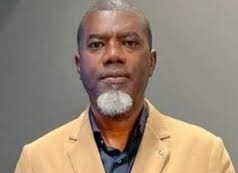
Former presidential aide and ambassador-designate, Reno Omokri, has stirred reactions after declaring that what many Africans describe as witchcraft is merely technology or knowledge that is not yet scientifically understood.
Omokri made the remarks in a statement on Tuesday in which he urged Africans to abandon fear-based beliefs about witchcraft and instead explore indigenous knowledge systems for development and innovation.
According to him, the concept of witchcraft in many African societies is often tied to ignorance of how certain phenomena work.
“Dear Africa, there is nothing like witchcraft. It is your technology. Embrace it,” he said.
Using his Itsekiri language as an example, Omokri explained that witchcraft is known as “Osho,” while technology is called “Osho Oyibo,” which he translated as “white man’s wizardry.”
He argued that many inventions accepted today would have been considered magical centuries ago because people at the time lacked the knowledge to understand them.
“Today, we make video calls to people on the other side of the world. If someone had done this two hundred years ago, he would have been branded a wizard,” he stated.
Omokri maintained that several beliefs traditionally blamed on witches had natural or scientific explanations. He cited infant deaths in precolonial Africa, saying many were caused by diseases such as malaria, sickle cell anaemia and tetanus rather than supernatural attacks.
He further described the idea of shape-shifting witches and malevolent wizards as unscientific, claiming that many individuals labelled spiritualists or traditional healers simply possess specialised knowledge they choose not to openly share.
“What we call witchcraft is only technology that we do not yet understand with the knowledge we presently have,” he said.
The former aide also suggested that some traditional practices may involve medicine, psychology and techniques capable of influencing the human mind rather than supernatural powers.
He called on African governments and research institutions to study useful indigenous practices instead of dismissing them outright, saying valuable discoveries could emerge from local knowledge systems.
Omokri proposed that where claims of unusual healing powers or predictive abilities are proven, such individuals should be scientifically studied and their methods documented for national benefit.
He argued that Africa’s path to technological advancement would largely depend on developing its own ideas rather than expecting breakthroughs to be handed over by Western nations.
“Africa must learn to use what we have to get what we want,” he added.