
Dare Babalola
Presidential spokesman Bayo Onanuga has dismissed as false and misleading images circulating on social media and being presented as photographs of schoolchildren abducted in Oyo State.
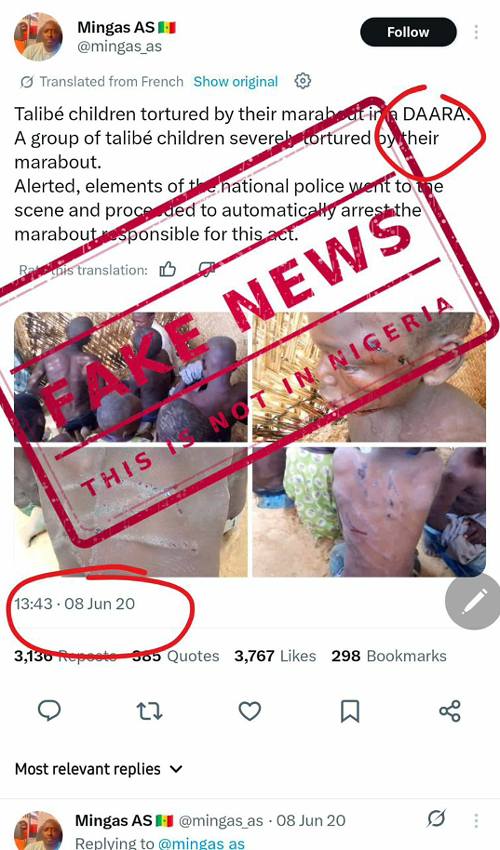
In a post on his X account early Wednesday, Onanuga said investigations showed that some of the viral images were not connected to the recent abduction incident in Oyo but were old photographs taken in Mali several years ago.
According to him, an analysis conducted by Africa54Research revealed that the pictures originated from an incident in June 2020 in Mali, where a teacher reportedly flogged young students.
He said the images were now being recycled online to create the impression that they depicted the Oyo schoolchildren who were recently kidnapped.
“Pictures taken in Mali in June 2020, when a teacher flogged his young students, have been shared on social media to make people believe they are the pictures of the abducted Oyo students,” Onanuga stated.
The presidential aide alleged that those responsible for circulating the misleading images were likely attempting to spread fear and undermine ongoing efforts by security agencies to secure the release of the abducted pupils and their teachers.
“The distributors of the images are most probably terrorists’ sympathisers, out to sow fears in our society and paint the government and the security forces black, as the government is making efforts to get the kids and their teachers released,” he added.
The warning comes amid public concern following the abduction of pupils and teachers in Oyo State, an incident that has drawn widespread condemnation and renewed calls for stronger security measures to protect schools.
In a separate post, Onanuga shared a video by comedian DeeOne, who cautioned Nigerians against the indiscriminate sharing of unverified information online.
Accompanying the video, the presidential spokesman urged citizens to verify content before reposting it on social media.
“Nigerians, stop spreading pictures and videos without verifying. We only have one Nigeria,” he wrote.
The posts underscore growing concerns over the role of misinformation during security crises, with authorities warning that the circulation of false images and videos can heighten public anxiety and complicate rescue operations.