Dare Babalola
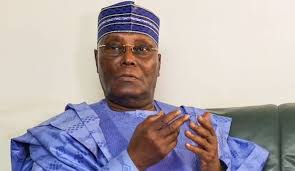
Former Vice President Atiku Abubakar has accused President Bola Tinubu’s administration of committing “an act of treason against the Nigerian people” by allegedly altering the country’s tax reform laws after they were passed by the National Assembly.
In a statement he signed personally on Tuesday, Atiku claimed the changes, which include granting tax authorities coercive powers and imposing heavier financial burdens on citizens, are unconstitutional and undermine legislative supremacy.
“The illegal and unauthorized alterations made to Nigeria’s tax legislation after passage by the National Assembly represent a brazen act of treason against the Nigerian people and a direct assault on our constitutional democracy,” Atiku said.
The alleged alterations include new coercive powers granted to tax authorities, such as arrest powers, property seizure without court orders, and enforcement sales conducted without judicial oversight.
In his reaction, Atiku argued that these changes transform tax collectors into quasi-law enforcement agencies, stripping Nigerians of due process protections.
Atiku also highlighted increased financial burdens on citizens, including mandatory 20% security deposits for tax appeals, compound interest on tax debts, and forced USD computation for petroleum operations.
He argued that these changes will hinder economic growth and worsen poverty.
Earlier, the Nigerian Bar Association (NBA) echoed Atiku’s concerns, describing the alleged altercations as a “brazen assault on the country’s democratic and legislative processes”, while demanding an open, transparent investigation to restore credibility to the lawmaking process.
The Peoples Redemption Party (PRP) also raised the alarm, warning that such actions constitute a “grave violation of the Constitution and a threat to democratic governance”. The PRP called for the immediate suspension of the implementation of the disputed tax laws.
On his part, Atiku called for the Executive to immediately suspend the implementation of the tax law effective January 1, 2026, pending a thorough investigation. He also urged the National Assembly to rectify the illegal alterations and hold accountable those responsible for the constitutional breach.
In addition, he urged the Economic and Financial Crimes Commission (EFCC) to investigate and prosecute those found culpable in the alleged forgery of the laws.
Atiku stressed that failure to defend this principle risks plunging Nigeria into arbitrary rule.
Recall that the Presidency had earlier denied allegations of discrepancies, attributing the controversy to “fake” documents. The tax reforms, signed into law in June 2025, aim to simplify tax compliance, expand the tax base, and modernize revenue collection, according to the Federal Government.