Dare Babalola
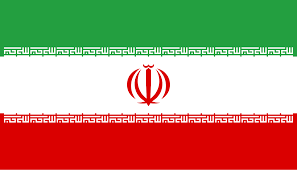
The escalating conflict between Iran, the US, and Israel has injected a new wave of geopolitical risk into the global economy, with significant implications for Nigeria’s oil-dependent economy.
In a policy brief on Sunday, Dr. Muda Yusuf, CEO of the Centre for the Promotion of Private Enterprise (CPPE), highlighted the potential impact on Nigeria’s economy.
“The ultimate impact will depend less on external events and more on domestic policy discipline,” Dr. Yusuf emphasises, as the conflict’s impact on global oil prices is a major concern, with the Strait of Hormuz, a critical oil transit route, under threat.
A price surge could boost Nigeria’s export earnings and fiscal revenues, but production constraints, including oil theft and pipeline vandalism, may limit gains.
“Every increase in crude oil price translates into additional export earnings and fiscal revenues,” the brief noted.
However, inflation transmission poses a significant risk, with potential increases in fuel prices, transportation costs, and food prices threatening household welfare.
The capital market may also experience volatility, with oil and gas equities potentially benefiting while manufacturing and consumer goods companies face margin compression.
To navigate these challenges, CPPE recommended strengthening oil production capacity, building fiscal buffers, and accelerating refining capacity.
“The situation presents an opportunity for disciplined fiscal consolidation, with priority actions including saving part of any oil windfall in stabilisation mechanisms, reducing fiscal deficits, and prioritising capital expenditure over recurrent spending,” according to the brief.
Without prudent management, temporary revenue gains could encourage unsustainable spending patterns, increasing vulnerability when oil prices eventually decline.
Nigeria’s mono-product export structure amplifies its exposure to external shocks, making structural diversification imperative.
As Dr. Yusuf puts it, “Strategic savings, production efficiency, macroeconomic prudence, and structural diversification will determine whether Nigeria converts geopolitical turbulence into macroeconomic resilience.”
The CPPE recommended intensifying anti-theft operations, enhancing transparency and liquidity in the foreign exchange market, deploying targeted social protection measures, and fast-tracking economic diversification to mitigate the risks.
With higher oil prices potentially strengthening fiscal and external balances in the short term, but inflationary pressures, welfare deterioration, capital flow volatility, and global growth risks posing significant countervailing threats, the situation demands careful navigation.