
Ezekiel Awojide, Abuja
The Nigeria Centre for Disease Control and Prevention says with 318 confirmed cases and 70 deaths, the case fatality rate (CFR) now stands at 22 per cent, raising urgent questions about early detection, treatment access, and state-level preparedness in the country’s most affected areas.
Dr. Jide Idris, Director-General of NCDC, said this on Friday in Abuja, during a press briefing on Lassa fever.
Idris said that only five states account for 91 per cent of confirmed cases, adding that just 10 Local Government Areas (LGAs) are responsible for 68 per cent.
He disclosed that 15 healthcare workers have also been infected in the current outbreak.
He said that the centre had activated its Incident Management System (IMS) to coordinate the national response and holds weekly National Lassa Fever Emergency Operations Centre (EOC) meetings to review the situation and guide interventions at the state level.
Idris added that National Rapid Response Teams had been deployed to Bauchi, Ondo, Taraba, Edo, Plateau, Benue, and Jigawa states, with further deployments planned as necessary.
He stated that laboratory testing commodities had been distributed across its network, while medical countermeasures, including personal protective equipment (PPE), treatment supplies, and dialysis support for complicated cases, were supplied to treatment centres nationwide.
On healthcare worker infections, the NCDC boss said investigations over the past two years had identified poor Infection Prevention and Control (IPC) practices, low index of suspicion in high-burden areas, and delayed care-seeking due to fear of stigma as contributing factors.
He said letters had been sent to Commissioners for Health to strengthen IPC compliance in hospitals, while advisories had also been issued to healthcare workers.
He noted that the centre continued to provide public health information on preventive measures, including rodent control and safe food storage practices, and had shared Social Behavioural Change materials with State Health Promotion Officers and Risk Communication stakeholders.
He also stated that it monitors rumours and public perceptions to curb misinformation, citing a recent rumour at a National Youth Service Corps (NYSC) camp in Kwara State, which was investigated and publicly clarified in collaboration with the state authorities.
However, he identified several challenges affecting the response.
“These include weak state ownership, gaps in contact tracing, limited funding for awareness campaigns, poor data reporting mechanisms, and inconsistent enforcement of IPC measures in some health facilities,” he said.
He also raised concerns about reports that some treatment centres were operating below standard, with patients absconding and disruptions to safe burial protocols due to resource constraints.
Idris further observed that dialysis machines donated to manage severe Lassa fever cases were not being fully utilised in some facilities, while high service charges in certain centres could pose barriers to care.
He stressed that effective outbreak control requires stronger state-level coordination and urged state governments to intensify active case-finding, scale up risk communication, remove barriers to treatment costs, and enforce IPC practices across all health facilities.
The D-G added that collaboration with the Federal Ministry of Health and Social Welfare, the Federal Ministry of Environment, the Federal Ministry of Food Security, the National Veterinary Research Institute, and the Federal Ministry of Livestock Development remained ongoing under a One Health approach.
He reiterated that outbreak containment begins at the community level and requires sustained political commitment from state leadership to reduce fatalities and prevent further spread.
Lassa fever is an acute viral haemorrhagic illness caused by the Lassa virus, first identified in 1969 in the town of Lassa, Borno State.
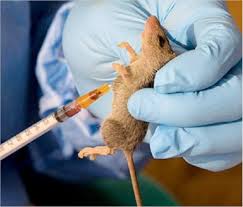
It is endemic in Nigeria and parts of West Africa, with the virus primarily carried by the multimammate rat (Mastomys natalensis).
Humans become infected through contact with rodent excreta or contaminated food, and human-to-human transmission can occur in healthcare settings without proper infection prevention measures.
While many infections are mild or asymptomatic, about 20 per cent can develop severe disease, presenting with fever, headache, vomiting, bleeding, and organ dysfunction.
The disease often peaks during the dry season (December–April) when rodent-human contact increases.
With no licensed vaccine available, control relies on community hygiene, rodent control, early detection, supportive care, and antiviral treatment with Ribavirin for selected patients.
Public health efforts in Nigeria focus on enhanced surveillance, risk communication, and strengthened clinical and laboratory response.