Dare Babalola
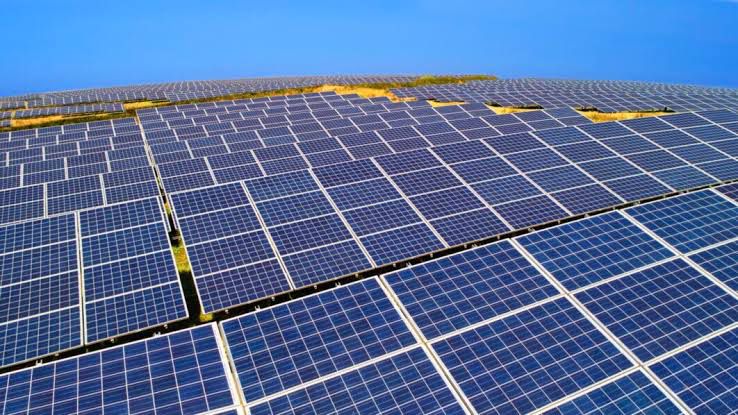
The Niger Electricity Distribution Company (NEDC) has expressed its support for the Niger State Government’s solar mini-grid initiative, reaffirming its commitment to collaboration in a bid to boost electricity access and reliability in the state.
NEDC is a subsidiary of the Abuja Electricity Distribution Plc (AEDC).
The company commended the Governor Mohammed Umaru Bago administration for its effort to deploy solar mini-grids and renewable energy solutions to previously unserved and underserved communities across the state.
The initiatives include providing reliable 24-hour solar power to over 180 communities that have had little to no electricity for over a decade.
Critical public facilities, including Government House, hospitals such as the General Hospital and IBB Specialist Hospital, the Niger State Water Board, and other ministries, departments, and agencies, are transitioning to independent solar systems.
This represents a significant step forward in addressing long-standing energy access challenges, according to the company.
Commenting on the development, Engr. Chijioke Okwuokenye, Managing Director of Abuja Electricity Distribution Plc (AEDC), said, “We fully support the Niger State Government’s proactive approach to expanding access to reliable electricity through renewables. These efforts complement the national push for decentralised power under the Electricity Act 2023 and demonstrate how collaboration between government, regulators, and licensed operators can accelerate progress for our customers.”
Also, Engr. Sam Odekina, Chief Business Officer and Acting Managing Director of the Niger Electricity Distribution Company (NEDC), added, “The deployment of solar mini-grids in previously unserved areas aligns perfectly with our shared goal of inclusive electrification. As the licensed intrastate distributor under the Niger State Electricity Regulatory Commission (NSERC), NEDC is eager to partner closely with the state government on hybrid solutions, grid integration where feasible, and innovative projects that deliver sustainable benefits to residents, businesses, and institutions alike.”
NEDC noted that that these initiatives align with the Electricity Act 2023’s decentralised and multi-source electricity framework.
The company also commended the establishment of the Niger State Electricity Regulatory Commission (NSERC) and Niger State’s ongoing regulatory domestication efforts.
It added, “The deployment of solar mini-grids in areas such as Lambata in Gurara Local Government Area, supported by partnerships including those with the Rural Electrification Agency (REA) and international donors, complements national efforts to expand renewable energy access and reduce reliance on traditional grid extensions where they are not yet viable
“NEDC remains fully committed to working collaboratively with the Niger State Government, the Niger State Electricity Regulatory Commission (NSERC), and all relevant stakeholders to deliver reliable, sustainable, and inclusive electricity supply throughout Niger State.
“This includes exploring opportunities for hybrid grid-renewable solutions, commercially viable grid extensions, seamless integration of mini-grid projects under the NSERC licensing regime, and potential public-private partnerships to accelerate electrification and support economic development.
“By building on these positive developments together, NEDC and the Niger State Government can ensure even greater benefits for residents, businesses, and institutions, fostering improved livelihoods, enhanced security of supply, industrial growth, and a more resilient energy future for all citizens of Niger State.”