
Dare Babalola
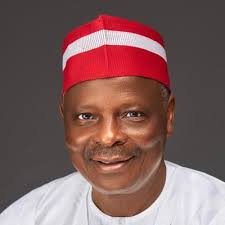
A major shift in Nigeria’s political landscape unfolded on Sunday as former Kano State governor and 2023 presidential candidate, Rabiu Musa Kwankwaso, formally announced his resignation from the New Nigeria People’s Party (NNPP), bringing an end to his leadership role in the party he helped shape in recent years.
In a personally signed statement on Sunday, Kwankwaso said his resignation takes immediate effect, marking what could become one of the most consequential political realignments ahead of future electoral cycles. The former NNPP national leader described the decision as difficult but necessary, citing evolving national political dynamics that require “strategic realignment.”
“However, considering the current trajectory of the nation’s political landscape, which calls for strategic realignment, I have found it necessary to identify with another political platform that offers the best opportunity to effectively change the nation,” he stated.
Kwankwaso, who emerged as the NNPP’s presidential flagbearer during the 2023 general elections, expressed deep appreciation for the opportunity to serve the party at its highest level. He acknowledged the support he received from key stakeholders across the party structure, including the National Chairman, Ajuji Ahmed, the National Working Committee, the Board of Trustees, and members of the National Executive Committee.
He also extended gratitude to grassroots structures of the party, from ward to state levels, as well as loyalists of the Kwankwasiyya Movement, a political bloc that has remained central to his influence, particularly in Kano and parts of northern Nigeria.
While the statement did not disclose his next political destination, Kwankwaso made it clear that his exit from the NNPP is part of a broader plan to align with a platform he believes offers a stronger opportunity to “effectively change the nation.” This remark is likely to fuel speculation about possible alliances or defections to more established political parties or emerging coalitions.
Political observers say the move could significantly reshape opposition dynamics in Nigeria, especially considering Kwankwaso’s electoral weight and grassroots following. His departure raises fresh questions about the future strength and cohesion of the NNPP, which gained national prominence during the last election cycle largely due to his candidacy.
Despite his resignation, Kwankwaso struck a conciliatory tone, emphasizing the need for continued collaboration with former party members and stakeholders in pursuit of national development. He expressed optimism about working collectively—regardless of party lines—towards building a more prosperous Nigeria.
As reactions begin to trail the announcement, attention will likely shift to Kwankwaso’s next political move and how it could influence the balance of power within Nigeria’s evolving political space.