
Dare Babalola
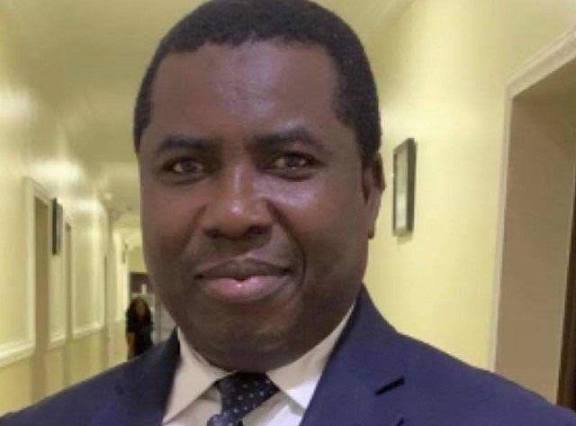
The Independent National Electoral Commission (INEC) has announced plans to track down and prosecute those responsible for creating and circulating a fake social media account falsely attributed to its Chairman, Prof Joash Amupitan, after a detailed digital forensic investigation cleared him of any involvement.
The development comes after weeks of controversy triggered by viral posts on X (formerly Twitter), where a handle bearing the chairman’s name was alleged to have made politically suggestive comments, including a widely circulated “Victory is sure” reply.
The claims gained traction as additional screenshots emerged online, purporting to link the account to personal data such as email addresses, phone numbers and even banking verification details.
However, INEC, in a statement issued Monday by its Chief Press Secretary, Adedayo Oketola, cautioned the public against the dangers of spreading unverified digital content, stressing that the allegations had now been thoroughly investigated and debunked.
According to the commission, an independent forensic and cybersecurity review found the allegations to be entirely fabricated and part of a deliberate misinformation effort.
The investigation relied on a combination of platform data analysis from X, open-source intelligence techniques, timestamp validation and archived internet records.
A key conclusion of the report stated unequivocally that Prof. Amupitan does not operate any personal account on the platform.
It further described the controversial handle as a clear impersonation, noting that all posts and interactions attributed to the INEC chairman were false and unverifiable.
One of the most striking discoveries involved the timeline of the alleged “Victory is sure” response.
Investigators found that the reply appeared to have been posted several minutes before the original message it was supposedly responding to—an occurrence described as technically impossible on any digital system.
The report also confirmed that no such reply exists either on the live platform or within historical archives, including checks conducted via the Wayback Machine, which showed no prior activity linked to the account before April 2026.
Further analysis revealed what investigators described as a deliberate attempt to conceal evidence.
On the same day the screenshots gained widespread attention, the account in question reportedly changed its username, switched to private mode and added a “parody” label—moves interpreted as efforts to evade scrutiny.
The probe also uncovered multiple fake profiles across other platforms, including Facebook and Instagram, suggesting a broader, coordinated impersonation campaign targeting the INEC chairman.
INEC dismissed claims that the account could be traced to Prof. Amupitan through personal identifiers such as phone numbers, email addresses or banking records.
While confirming that his contact details are legitimately registered, the report emphasized that such information cannot establish ownership of a social media account.
It added that all attempts to verify any connection using platform recovery and authentication tools yielded no link between the fake account and the chairman.
Following the findings, INEC said it has escalated the matter to security agencies for further investigation and possible prosecution under the Cybercrimes (Prohibition, Prevention, etc.) Act.
“The forensic evidence is extensive and conclusive. The account is fraudulent, and the posts attributed to the chairman are fabricated,” the commission stated.
INEC also called on media organisations and the public to exercise greater caution in handling online information, urging stricter verification before sharing or publishing digital content.
It further appealed to major social media platforms to strengthen mechanisms for identifying and removing impersonation accounts targeting public officials.
Reaffirming its position, the commission stressed that Prof. Amupitan does not maintain any personal social media presence and that all official communication will continue to be disseminated solely through verified INEC channels.
“Any platform or account claiming to represent the INEC Chairman without official confirmation should be regarded as fake,” the statement concluded.