
Dare Babalola
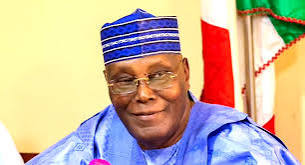
Former Vice President of Nigeria, Atiku Abubakar, has said his forthcoming engagement with policy and institutional stakeholders in the United States will focus on Nigeria’s worsening security, economic, and governance challenges.
In a statement issued on Sunday by his Media Adviser, Paul Ibe, Atiku described the country’s situation as a “full-blown internal crisis,” warning that insecurity, economic hardship, and declining public trust in democratic institutions have reached alarming levels.
He cited escalating violence in the North-West and North-East, persistent killings in the Middle Belt, and the spread of kidnapping and criminal activities across the country as evidence of what he called a systemic breakdown in security.
According to him, communities are increasingly being displaced, livelihoods destroyed, and citizens left vulnerable.
Atiku also expressed concern over Nigeria’s economic conditions, pointing to rising inflation, currency instability, and declining purchasing power.
He attributed the situation to inconsistent policy direction and weak economic management, adding that millions of Nigerians are facing deepening hardship.
On governance and democracy, the former Vice President warned that declining confidence in public institutions and the electoral process poses a threat to national stability, particularly as the country approaches another election cycle.
He called for greater transparency and accountability in governance.
Responding to criticism of his planned international engagement, Atiku maintained that raising concerns about Nigeria’s challenges abroad is not unpatriotic.
He argued that global engagement is necessary given Nigeria’s strategic importance and interconnectedness with the international community.
He further stressed that while Nigerians alone will determine their leadership, international partners have a legitimate interest in the country’s stability and democratic health.
Atiku urged the federal government to prioritize urgent reforms to address insecurity and economic decline, noting that leadership must be judged by results rather than rhetoric.
He also called on Nigerians to remain engaged and continue demanding accountability from their leaders, stressing that meaningful change must be driven internally.
According to him, Nigeria is at a critical juncture and must choose between confronting its challenges decisively or allowing them to worsen.