
Dare Babalola
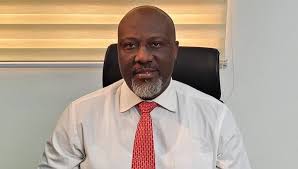
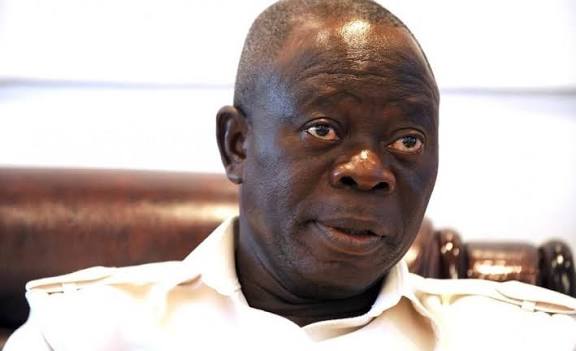
Senator representing Edo North Senatorial District, Adams Oshiomhole, on Tuesday called on the Federal Government to revoke the operating licences of South African-owned companies in Nigeria, including MTN and DStv, following renewed xenophobic attacks against Nigerians in South Africa.
Oshiomhole made the call during plenary as lawmakers in the National Assembly debated the safety of Nigerians living abroad and Nigeria’s response to the attacks.
The House of Representatives had earlier condemned the incidents and urged the Federal Government to take urgent diplomatic and protective measures to safeguard Nigerians in South Africa.
Leading the debate in the Senate, Oshiomhole said Nigeria must adopt a reciprocal approach in international relations and move beyond mere expressions of sympathy.
“I don’t want this Senate to be shedding tears or sympathising with those who have died. We didn’t come here to share tears,” he said.
Describing the crisis as an economic struggle, the former Edo State governor argued that Nigeria should nationalise MTN and withdraw its licence, accusing the company of repatriating huge revenues out of the country.
“This Senate should adopt a position that MTN, a South African company taking away millions of dollars from Nigeria every day, should be nationalised and its licence withdrawn,” he said.
He added that such measures would create opportunities for indigenous businesses while sending a strong message to South Africa. Oshiomhole also called for similar action against pay-TV provider DStv.
“I call on the Federal Government to revoke DStv, which is also a South African company taking away millions of dollars,” he said.
According to him, Nigerians residing in South Africa are there to work and contribute to the economy, not as tourists, stressing that they should not be subjected to intimidation.
“When we hit back, the president of South Africa will recognise that Nigerians cannot be intimidated,” he added.
Also contributing, Senator Victor Umeh, who represents Anambra Central, described the attacks as disturbing and said many Nigerians in South Africa were now living in fear.
“It is worrisome. They are hiding for their lives and cannot move freely. This is a situation where people are paying good with evil,” Umeh said.
He urged the African Union to intervene immediately and impose sanctions on South Africa, insisting that the attacks must not be allowed to continue.
The debate reflects mounting pressure on the Federal Government to adopt stronger diplomatic and economic measures in response to the recurring attacks and ensure the protection of Nigerians abroad.